Your Interview Elham (Ellie) Souri
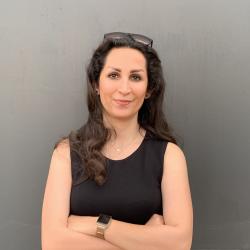
Elham (Ellie) Souri
Designer, Educator, Researcher
Germany
Introduce yourself (name, company, position, country) and tell us how you got into lighting design (including education/qualifications).
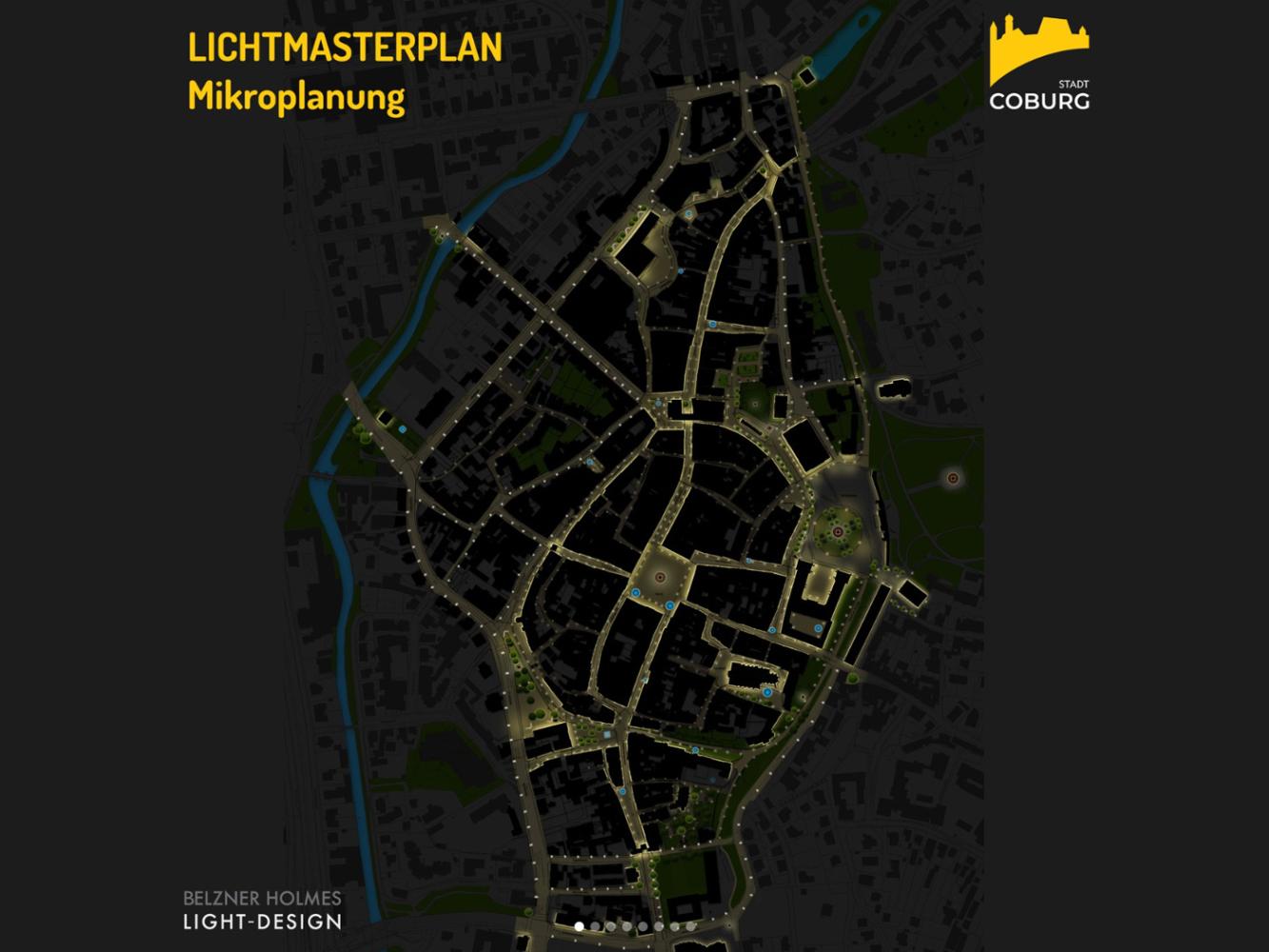
My name is Ellie, and I’m a lighting designer currently working at Belzner Holmes in Germany. I moved from Iran to Germany in January 2020, and over the past six years here I’ve been focusing mainly on museum and exhibition lighting. Before that, I worked extensively on public spaces and developed several urban lighting masterplans for cities of different scales.
I entered the profession in 2010, but my connection to lighting started a little earlier through my master’s thesis in Urban Design. My supervisor, Professor Jahanshah Pakzad, encouraged me to explore lighting for public spaces, especially because I grew up in a family working in the electrical and illumination field. That thesis later became a published book in Iran, and it opened the path I’ve been following ever since, working with light across many scales and contexts.
Tell us about your work – is there a specific type of project you like to work on or an area you specialise in and why?
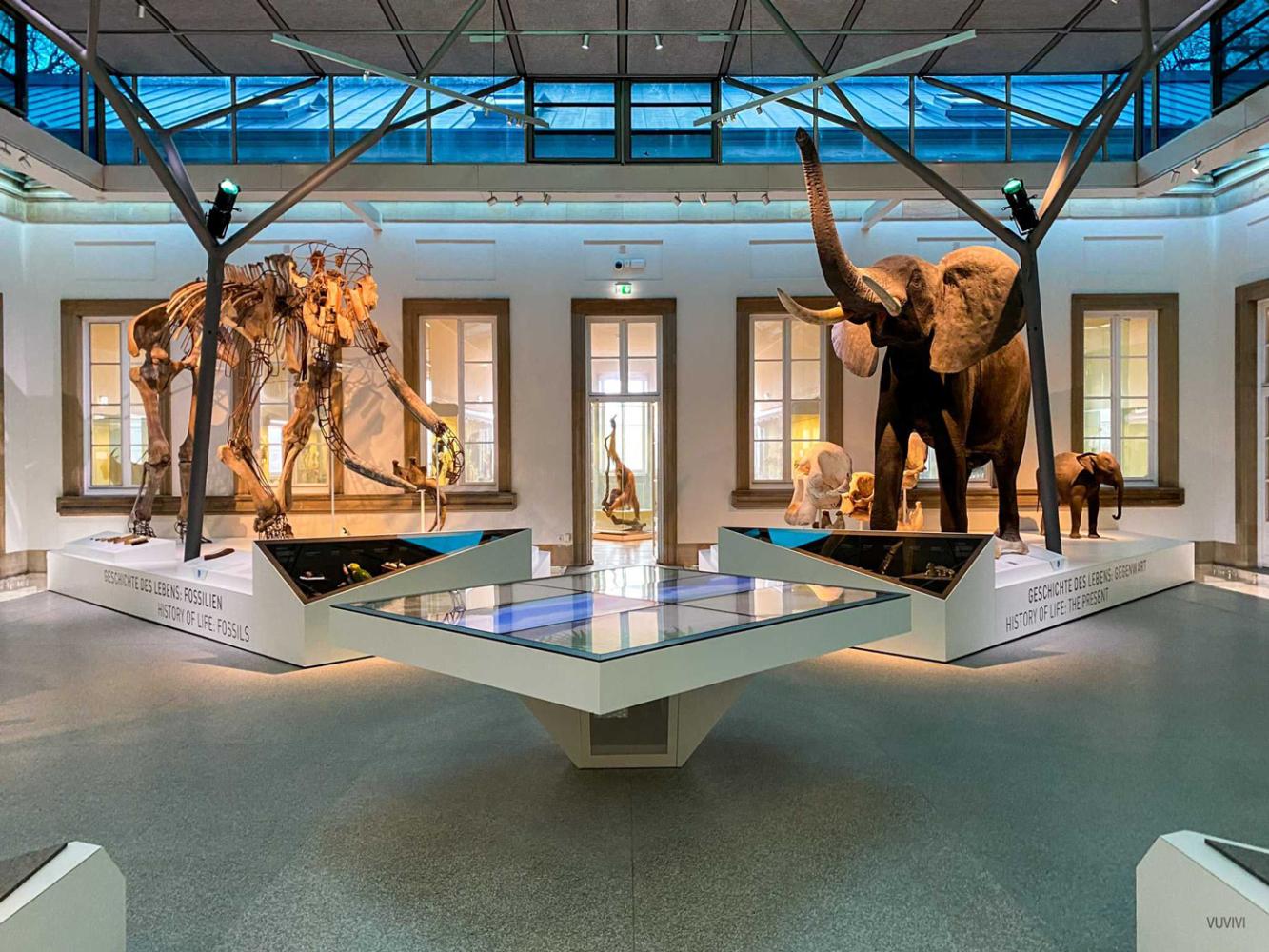
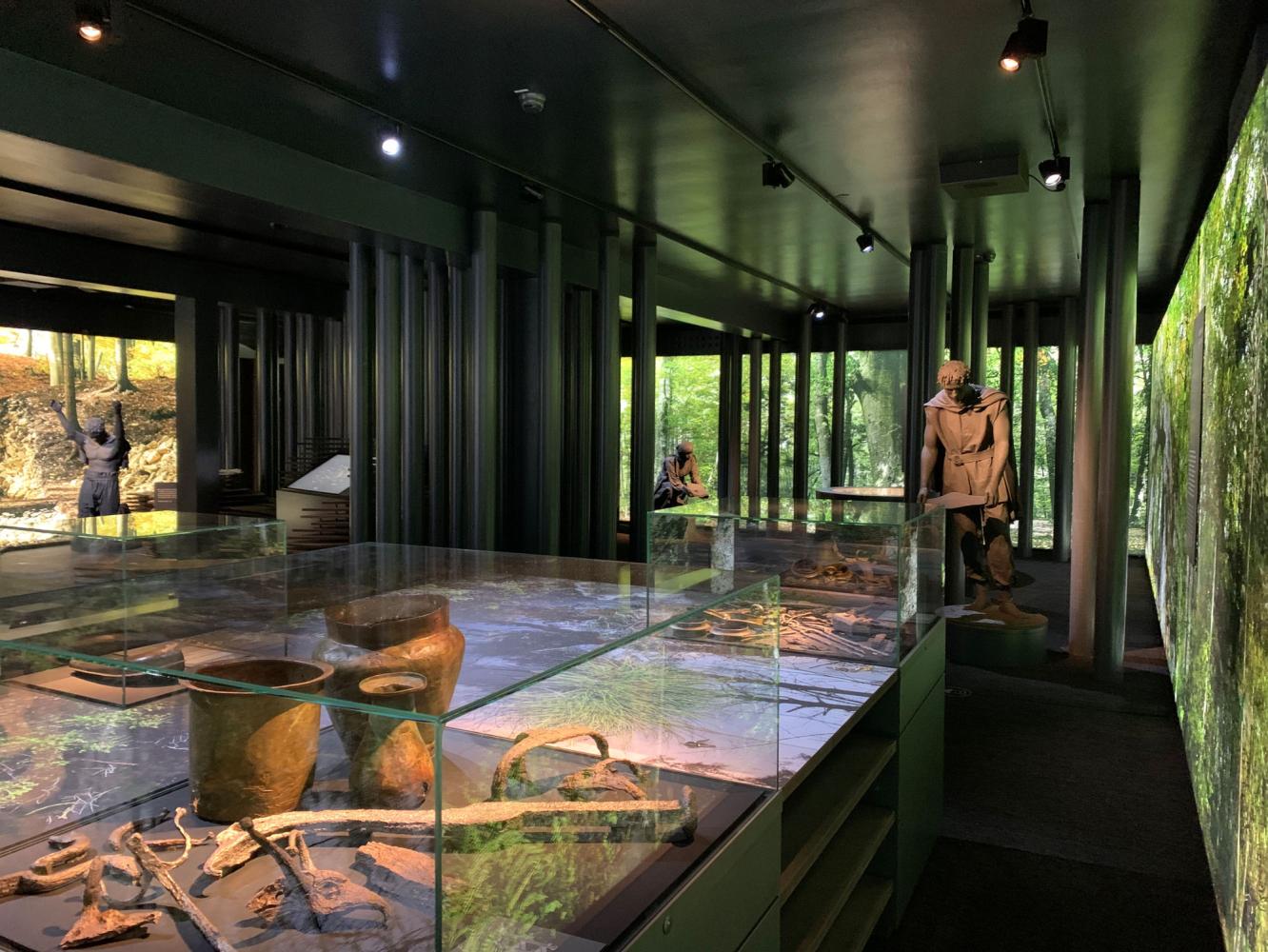
I began my career working on lighting for public spaces, but over the past six years my focus has shifted strongly toward museums and exhibitions. What I enjoy most about this type of work is the way it brings lighting closer to storytelling. In museum lighting, we treat the space almost like a stage: we decide which objects should draw attention, how they should be perceived, and how light can guide visitors through a narrative.
This approach has shaped the way I now see all projects, whether indoors or outdoors. The idea of “directing the eye” and shaping an atmosphere with intention applies far beyond exhibitions. Every space has a story, and lighting has the power to reveal or transform it.
So while museum and exhibition work has become my main specialisation, the principles I’ve learned from it influence my entire design philosophy: using light not just to illuminate, but to create focus, rhythm, and meaning in any environment.
What project are you most proud of and why?
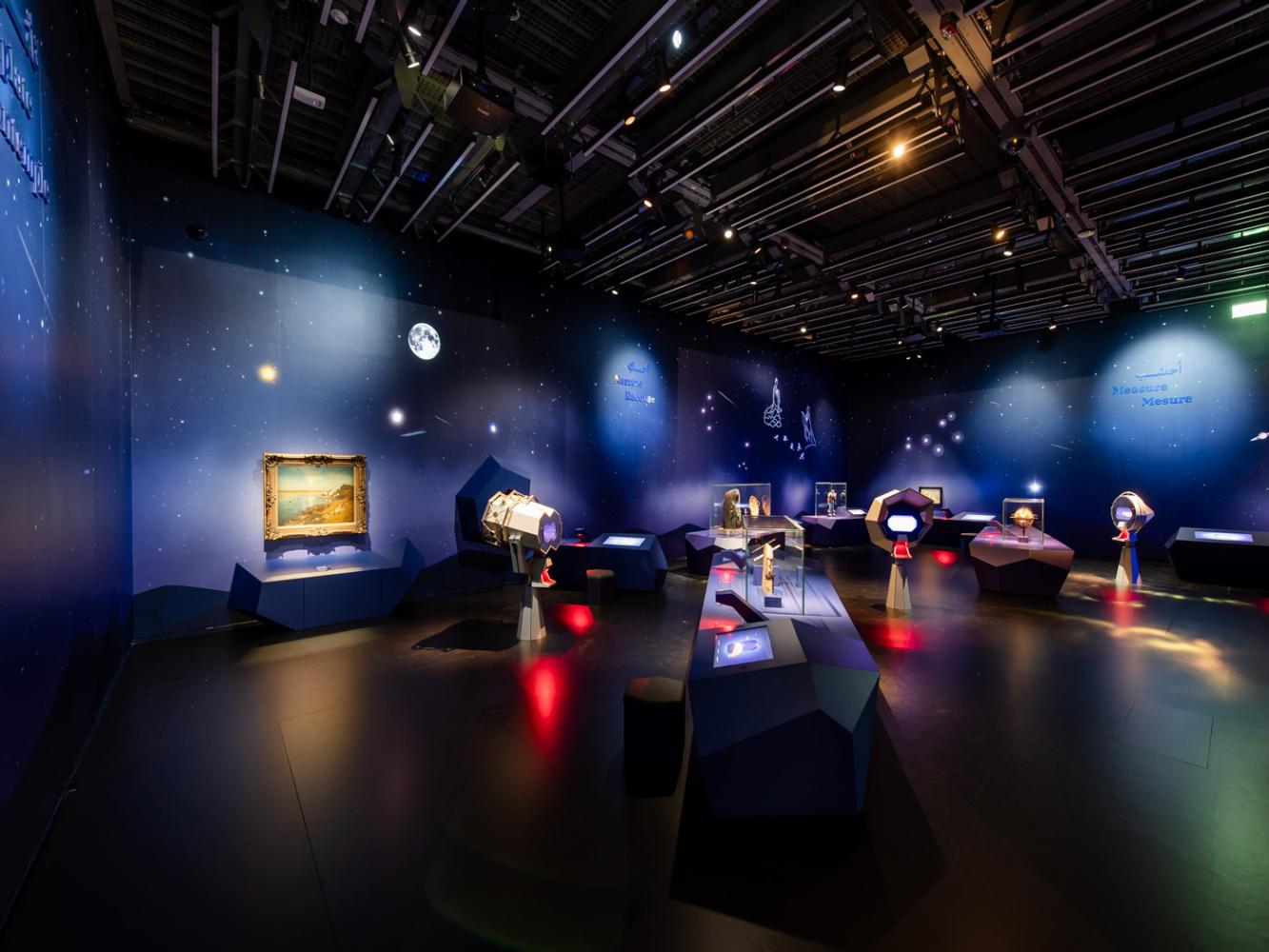
I always try to bring my full attention and care to every project, so in a way, I’m proud of all of them. But one project that truly stands out for me is the Children’s Museum at the Louvre Abu Dhabi.
It was a particularly meaningful experience because the exhibition was designed for children, with the aim of introducing them to the idea of space in a playful, intuitive way. Creating a lighting concept that was both educational and engaging, without overwhelming the architecture or the content, was a challenge I really valued.
Since it was a temporary exhibition, we made a conscious effort to reuse as many lighting fixtures as possible from the previous show. Working within those constraints pushed us to think creatively about angles, optics, and placement. For the adjustments we needed, we relied on colour filters to fine-tune the atmosphere and support the exhibition narrative. It became a great exercise in achieving quality through resourcefulness.
The timeline was extremely tight, which meant that many important decisions were made directly on site. This fast-paced process brought the entire team, the exhibition designers, the client, and the contractors, into close collaboration. There was a strong sense of partnership, and everyone was genuinely committed to achieving the best possible experience for the children.
Looking back, it was one of those rare moments where limitations, pressure, and teamwork aligned in the best possible way. The project has also been recognised internationally, receiving both the Golden Award of Montreux and an IDA Design Award.
What is the biggest challenge that you have overcome in your career?
One of the biggest challenges I’ve overcome in my career was rebuilding my professional identity after moving to Germany. I arrived without speaking German, and although I had already established myself in Iran — working independently for eight years and being well recognised in my field, I had to start almost from scratch in a new country.
Working in Germany meant adapting to new standards, new expectations, and a completely different professional culture. On top of that, many of my early projects were international, with multicultural teams and several languages in play. Learning how to communicate clearly, collaborate efficiently, and maintain the quality of my work across different cultures and contexts took time, patience, and a lot of resilience.
It has taken six years, but today I can finally say that I’ve found my place here. Becoming a member of the AKBW, building a strong network, and gaining the trust of clients and architects again has been a long journey, and definitely the most challenging, but also the most rewarding, part of my career so far.
How does light inspire you?
Light inspires me because it feels very close to painting, only the medium is different. Instead of colours and brushes, we work with light and shadow. Anyone can place a light fixture, just like anyone can hold a paintbrush, but creating something balanced, expressive, and meaningful requires a trained eye and a lot of sensitivity.
What inspires me most is the idea that light can shape a space without ever calling attention to itself. It can highlight, soften, guide, or completely transform an atmosphere in the same way a painter builds depth or emotion on a canvas. That quiet power, the ability to create impact through something almost intangible, is what keeps me fascinated with lighting design.
What is your message for other Women In Lighting?
My message to other Women in Lighting is to trust your perspective and your voice. Lighting design is a field where sensitivity, intuition, and observation matter just as much as technical knowledge, and many women bring a unique strength in exactly those areas.
Don’t be afraid to take space, to speak up in multidisciplinary teams, or to ask for the opportunities you deserve. And most importantly, stay connected to each other. Our field benefits enormously from women supporting women, sharing knowledge, and opening doors that once felt closed.
We all move forward when we lift each other up.
“Trust your vision and take up your space. Support each other, speak up, and stay confident in what you bring to the table.
“Shine in your own way””
Selected portfolio: